 KIRAN GOES PLACES
Salkantay Pass
4,630m
Inca Trail high point
4,200m
Everest Base Camp, for reference
~5,300m
Cusco altitude
~3,400m
Inca Trail length
4 days / 46km
Salkantay Trek length
5 days / ~75km
This was one of the most incredible experiences of my whole life, a high altitude trek through glacial lagoons to a night in glass domes, ending at Machu Picchu. Whether you're planning it, deciding on it, or you've already got it booked, here's everything I picked up along the way.
1. Altitude is the biggest challenge
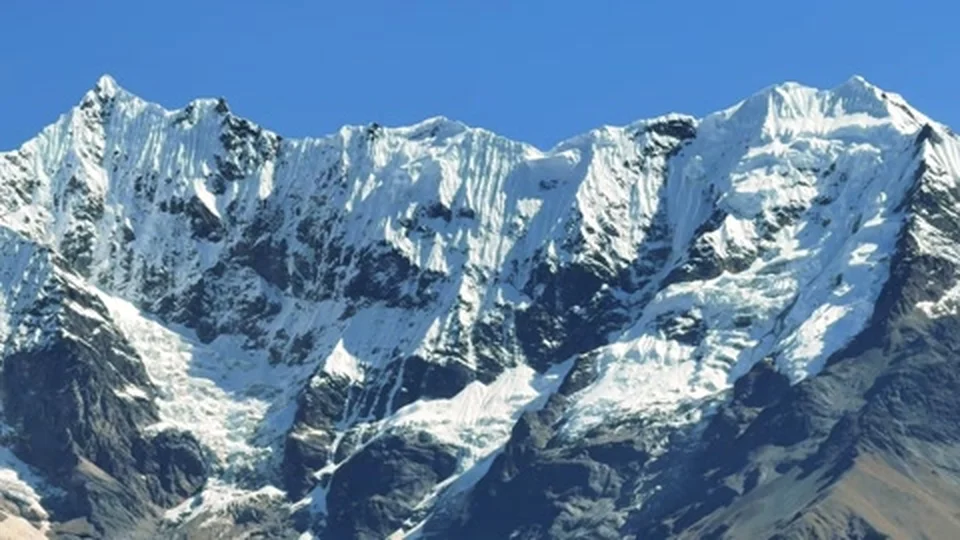
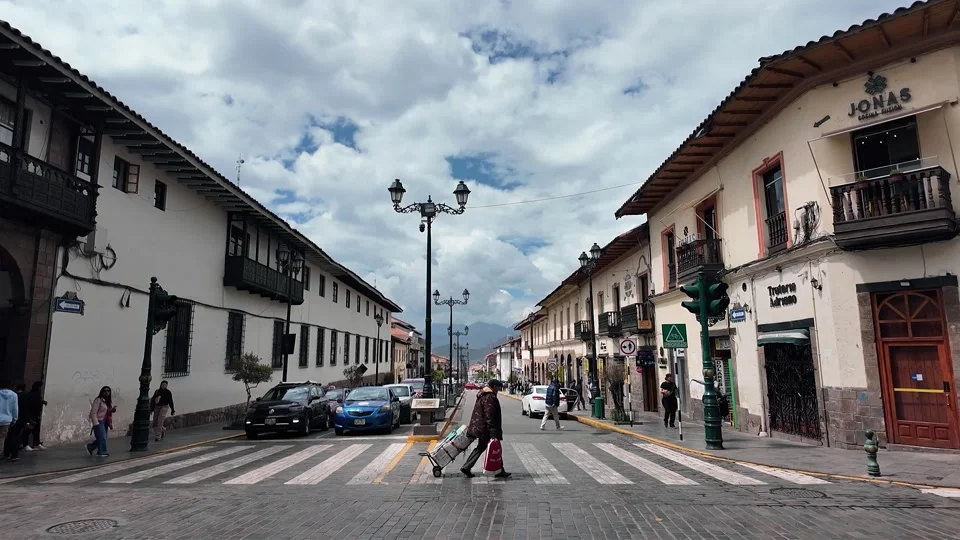
The trek goes over Salkantay Pass, the highest point, at 4,630 metres above sea level. For reference, Everest Base Camp is just over 5,300 metres and Cusco itself sits around 3,400 metres, so this is genuinely high. The air feels thinner, you get headaches, you feel nauseous, and even small things feel harder. Fit people get altitude sickness too, it affects people pretty randomly. Hydrate properly, walk slowly, avoid alcohol in the days before, and acclimatise in Cusco for a few days beforehand if you can.

4,630 metres, and the highest point of the whole trek.
2. It's generally harder than the Inca Trail
My guide Roger had done both and rated Salkantay as tougher for two reasons. First, the altitude, Salkantay tops out at 4,630 metres against 4,200 for the Inca Trail. Second, the days are just longer, the Inca Trail is typically four days and 46km, Salkantay is typically five days and around 75km. It's more about the physical challenge and less about the ruins along the way, but the landscapes make up for it.
3. The weather is properly unpredictable
Some stretches are blue skies and t-shirt weather, and you'll think everyone was exaggerating. Then it turns, especially in the mornings. Wake ups at 5am, hiking by 5:30, and bitterly cold with it. We crossed Salkantay Pass in a hail storm. Layering is key, a base layer like merino wool, a mid layer like fleece, and a waterproof windproof shell on top.
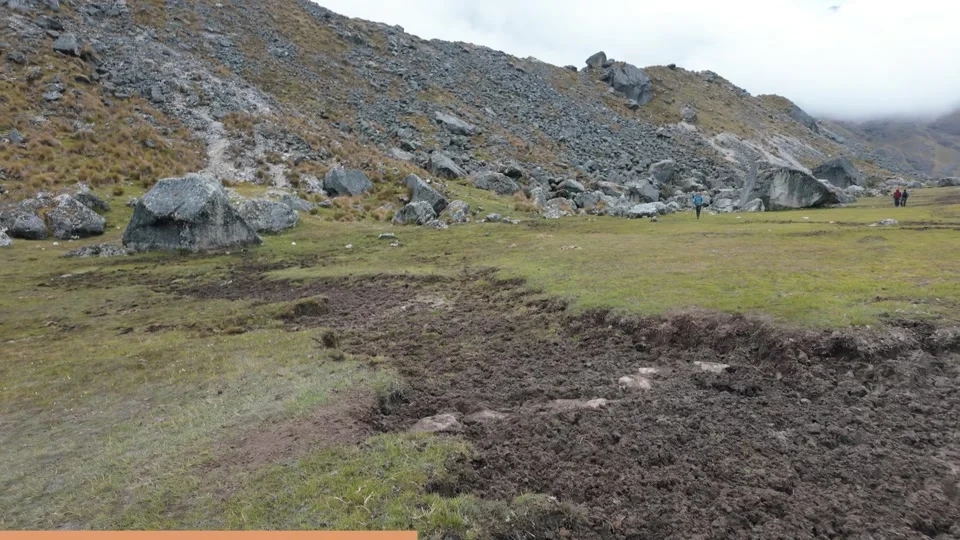
Blue skies one hour, mist and mud the next.
4. Trekking poles are worth it
I'm not usually a poles person, but the terrain is very up and down here, lots of loose gravel, muddy sections and slippery rock on the descents. Nearly everyone in our group used them and I think they genuinely helped.
5. Train beforehand if you can
You can probably do it if you're fit-ish, but training beforehand just makes the whole thing more enjoyable. You're not constantly catching up with the group, you're less breathless, and you get more headspace to actually look around and take photos. Worth it if you're not used to multi-day hikes or hiking at altitude.
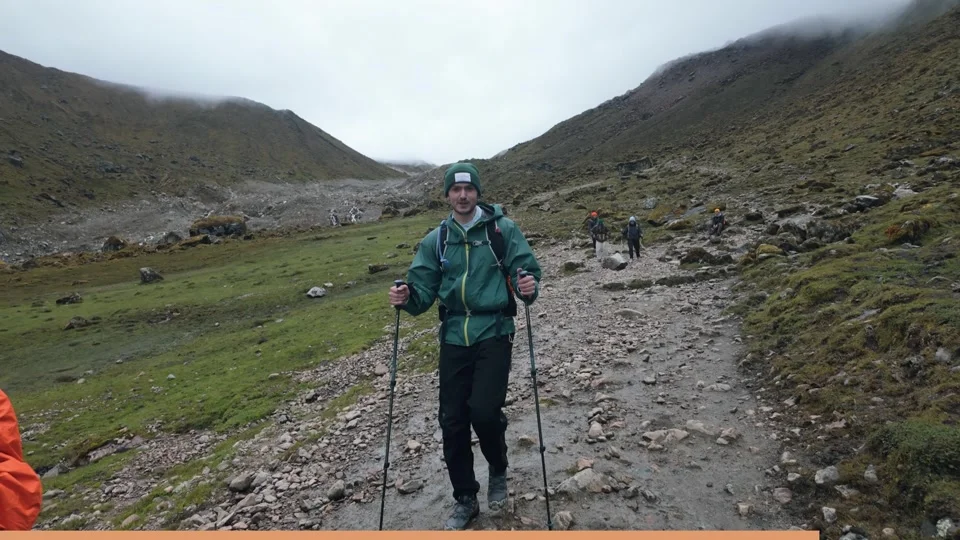
Training beforehand means more time to actually look around.
6. It ends in Aguas Calientes, not Machu Picchu
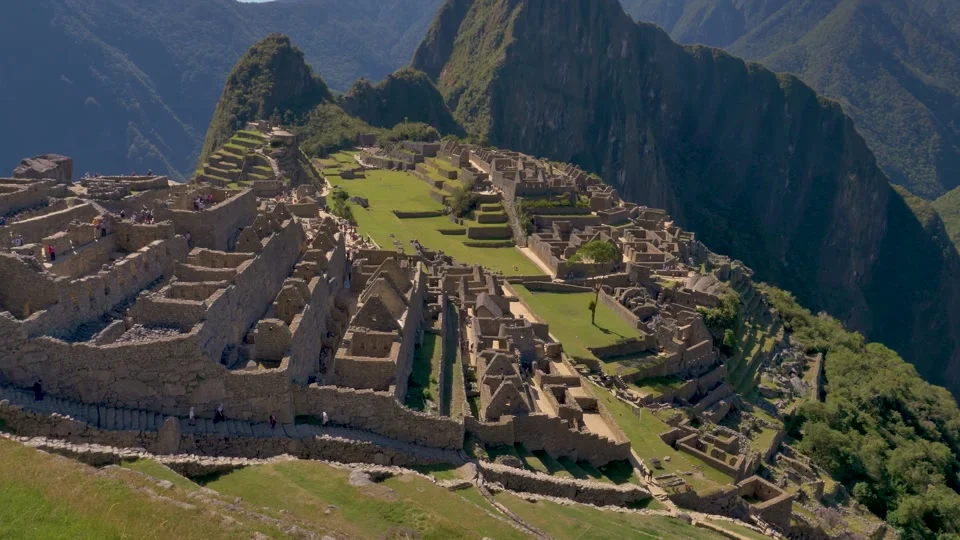
This one I didn't fully understand until I was doing it. The Inca Trail ends at Machu Picchu itself, through the Sun Gate, entering from the top. The Salkantay Trek takes you to Aguas Calientes at the bottom, the little town at the base of Machu Picchu, and from there you still need to take the bus up. It's not a bad thing though, you get a night to sleep, shower and be fresh for the next day.
7. Your Machu Picchu ticket is separate
The entrance ticket is its own thing, separate from the trek itself. If you're on a guided tour it's often included, but it's worth checking exactly which circuit they've booked you onto and asking in advance if you want circuit two, especially for a first visit. Machu Picchu is split into three circuits to manage overcrowding. Circuit one is the upper terraces for the panoramic shots, circuit three takes you inside the citadel without the wide views, and circuit two is the balance of both. These sell out months ahead.
8. Comfort varies massively by tour company
You can do this trek with basic camping, shed toilets and no showers, or go bougie with chefs, porters, mules carrying your bags, glass domes to sleep in, hot water bottles and coca tea as a wake up call. That's what we did, and you pay for it. When booking, check the sleeping setup, group size, food quality and bathroom situation, because the hike itself is identical no matter what you pay.
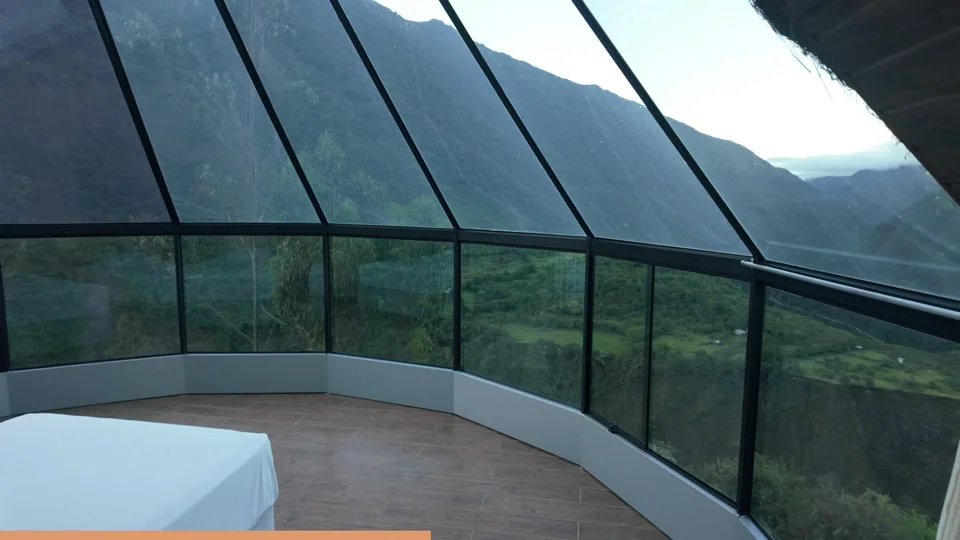
The bougie option. Glass domes and hot water bottles at altitude.
9. You can do it self-guided
Unlike the tightly permitted Inca Trail, Salkantay can technically be done unguided. Book your own lodging, carry your own food, purify your own water and buy your own Machu Picchu ticket. It's a well trodden, clearly marked trail, so if you're an experienced hiker on a shoestring budget it's genuinely doable, you just take on more responsibility.
10. Horses carry your gear if you go guided
Pack a duffel bag each morning, hand it to your guide, and it goes onto horses or mules to your next camp. You just carry a day bag with a layer, snacks and water, which makes the actual hiking a lot more comfortable than it sounds.
11. You can store luggage in Cusco
Whatever hotel or hostel you're staying at in Cusco will happily hold onto the rest of your stuff while you're on the trail. Just pack what you need into the duffel bag and leave everything else behind.
12. There's charging at camp, bring a power bank anyway
I wasn't expecting it, but there were chargers at pretty much every camp on our route. Still worth bringing a charging block just in case, you don't want to be the one person with a dead phone at the Sun Gate.
13. Emergency horses exist if you need them
If you can't do any more hiking or pick up an injury, there are horsemen along the trail you can pay on the spot to take you the rest of the way. You don't need to pre-book it, it's just there if you need it.
14. Bring a water filter, and drink the coca tea
Our guide boiled water every day to sterilise it, but I'd still bring a filter bottle or purification tablets, there's no point taking the risk on a multi-day hike. I used a LifeStraw bottle the whole way. Coca tea is also worth drinking, coca leaves have been used for centuries at altitude for nausea, headaches and energy, and the tea genuinely seemed to help. The leaves themselves just taste like leaves.
15. You can shorten or extend the trek
The standard trek is around five days, but you can do it in four or less, or extend it by joining a stretch of the Inca Trail at the end. We did exactly that, adding two days to walk through the Sun Gate into Machu Picchu on foot rather than finishing in Aguas Calientes. It cost more and took longer, but it was worth every extra day.
It's a genuinely breathtaking experience and one of the best things I've done anywhere. If you want to see what the trail actually looks like, I've got the full trek video, and a separate guide to the Machu Picchu ticket system if that part still feels confusing.