 KIRAN GOES PLACES
Entrance ticket
~$40
Mountain hike ticket
~$60 (incl. entrance)
Bus, return
~$24
Train, return (cheaper options)
~$150
Hotels in Aguas Calientes
$40-200/night
Shared / private guide
~$25pp / $80pp+
Typical independent total
$250pp+
1. Tickets and time slots
Your ticket is no longer a general entrance to Machu Picchu. Because of overcrowding, it's now a circuit based system, you choose a date, a time, a specific circuit, which is your walking route, and a letter variation, the exact path within it. Morning slots are the most popular, you get the early mist burning off to reveal the city, and generally smaller crowds. It gets busier as the morning goes on, with afternoon being the quietest, and the light hits the mountain differently then too, arguably just as good in its own way.
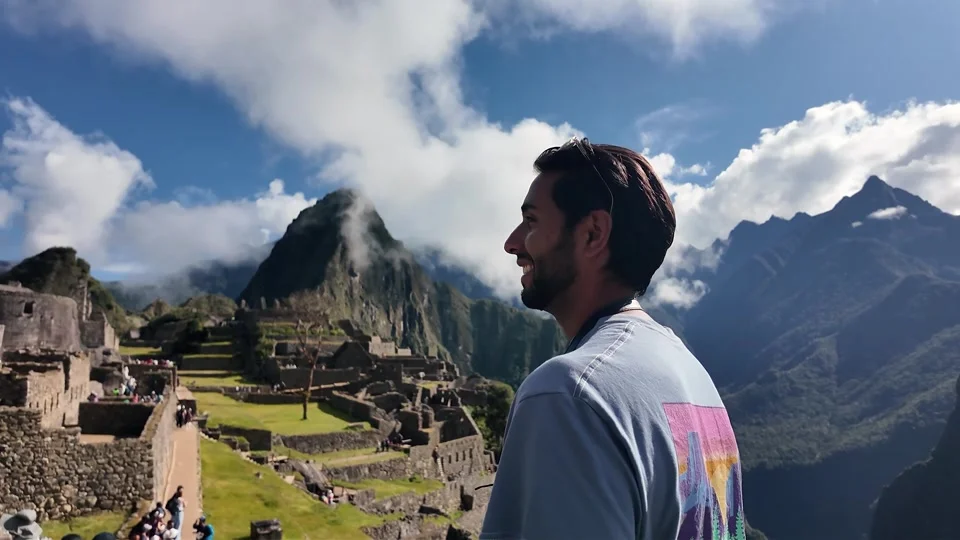
Morning mist, or an afternoon with barely anyone else there.
2. Understanding the circuits
The circuits split into one, two and three. Circuit one is the panoramic terraces, the classic postcard shots from above, but you don't go inside the citadel. Circuit three is the opposite, in and amongst the ruins, without the wide views, though some angles get close to the iconic shot. Circuit two is the balance of both, and if it's sold out, it genuinely isn't the end of the world, you're still getting an incredible day either way.
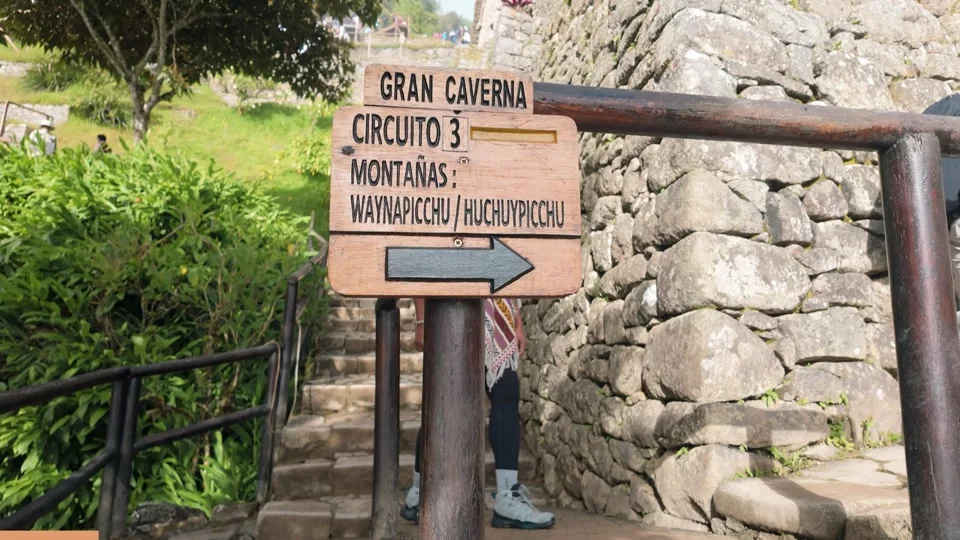
Same site, completely different routes depending on the ticket.
3. Mountain hikes explained
Certain mountains around the site have hikes attached, but each needs a specific circuit ticket. Huayna Picchu, the steep dramatic peak behind the postcard view, needs circuit 3A, a short but intense climb with narrow staircases and exposed drops, nicknamed the death stairs. Machu Picchu Mountain, the taller peak opposite, needs circuit 1A, longer and more demanding but less exposed, with big panoramic views. The Sun Gate, Intipunku, needs circuit 1C, a moderate hike to the original Inca Trail viewpoint and the same elevated perspective the Inca themselves would have had.
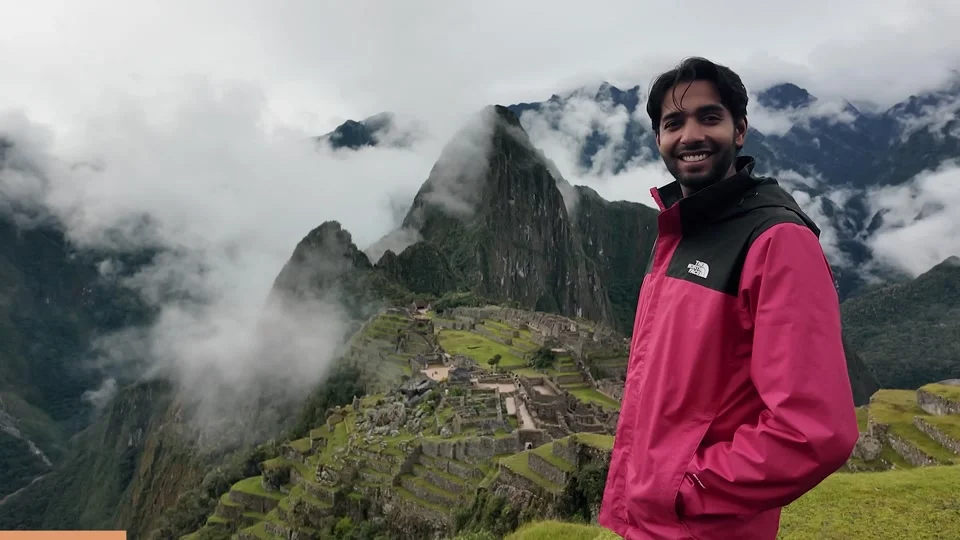
Huayna Picchu, the steep one behind the classic shot.
4. The rules inside
Routes are strictly one way, no backtracking, with rangers enforcing it. No food allowed inside, only small day packs, bigger bags get turned away at the gate. There are also no toilets inside the site, and once you leave you can't re-enter, so go before you're in.
5. Altitude and acclimatisation
Machu Picchu sits over 2,000 metres above sea level. It's lower than Cusco, but arriving suddenly can still give you headaches, nausea and tiredness. Spend a few days in Cusco beforehand if you can, take it slow, drink plenty of water, and skip the alcohol for a day or two beforehand.
6. Day trips and the Sacred Valley route
Machu Picchu can be done as a long day trip, train from Cusco to Aguas Calientes, up to the site, back down and home the same day. A smarter option is combining it with the Sacred Valley, the stretch between Cusco and Machu Picchu along the Urubamba river with its own worthwhile Inca ruins. Do a day trip through the Sacred Valley ending in Ollantaytambo, take the train from there, stay overnight in Aguas Calientes, and go up fresh the next morning.
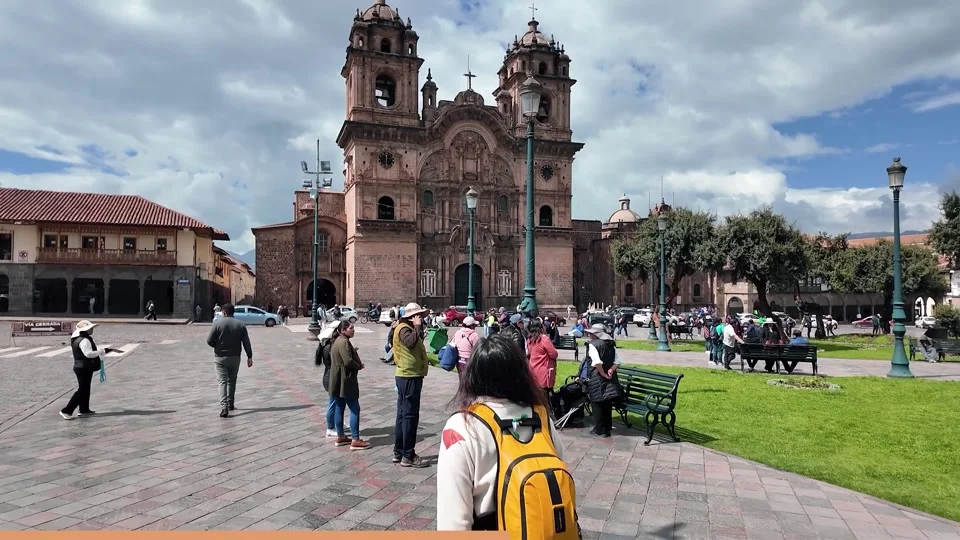
Worth a few days here before you head to Machu Picchu anyway.
7. Bus versus walking up
From Aguas Calientes most people queue for the bus, running from 5:30am. You can also walk, about 60 to 90 minutes, steep with a lot of switchbacks and not especially scenic, but entirely possible if you want to skip the queue.
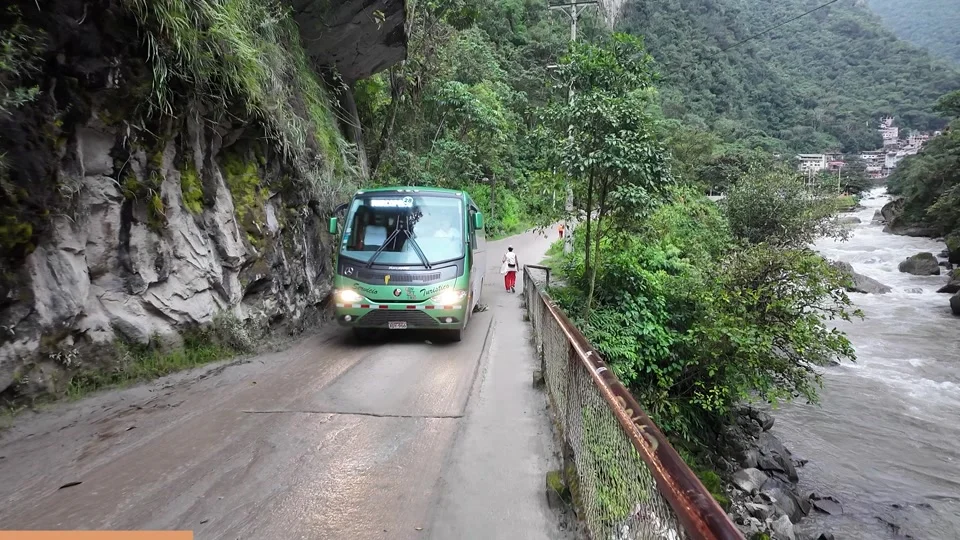
Most people queue for this. You don't have to.
8. The real costs of visiting
It adds up fast. Entrance tickets around $40, the mountain hike ticket $60 including entrance, the bus $12 each way so $24 return, the train typically around $150 return on the cheaper options, more if you upgrade. Hotels in Aguas Calientes range from $40 to $200 a night. A shared guide runs about $25 a person, a private guide $80 plus. Most independent travellers end up spending at least $250 a person once it's all added up.
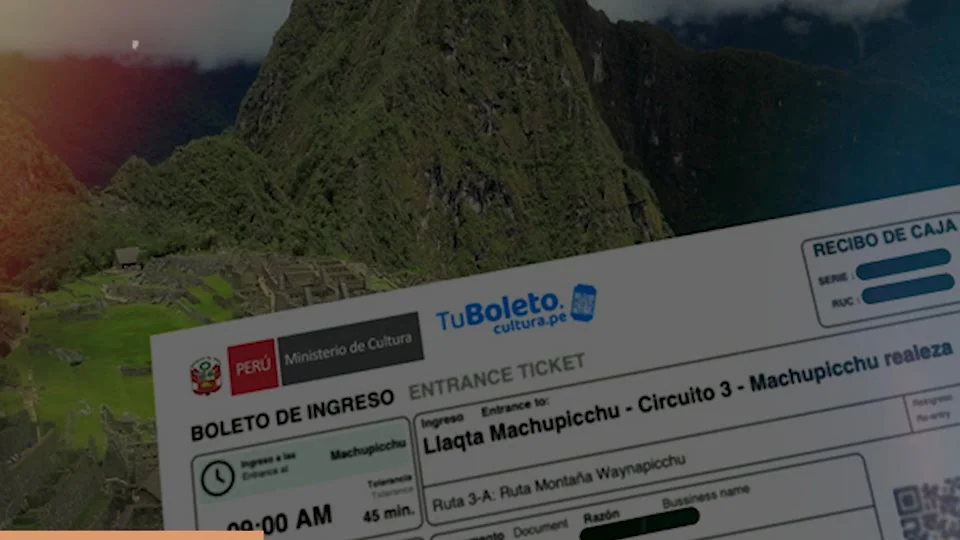
The ticket is just the start of the real cost.
9. Do you need a guide?
You can absolutely do it without one, booking your own trains, circuit tickets and bus up. But unless you're already well read on Inca history, you're mostly looking at impressive rock formations without the context behind them. A guide adds the history, the why behind how things were built, when it was founded and lost. You still get free time to explore on your own even with a guide booked.
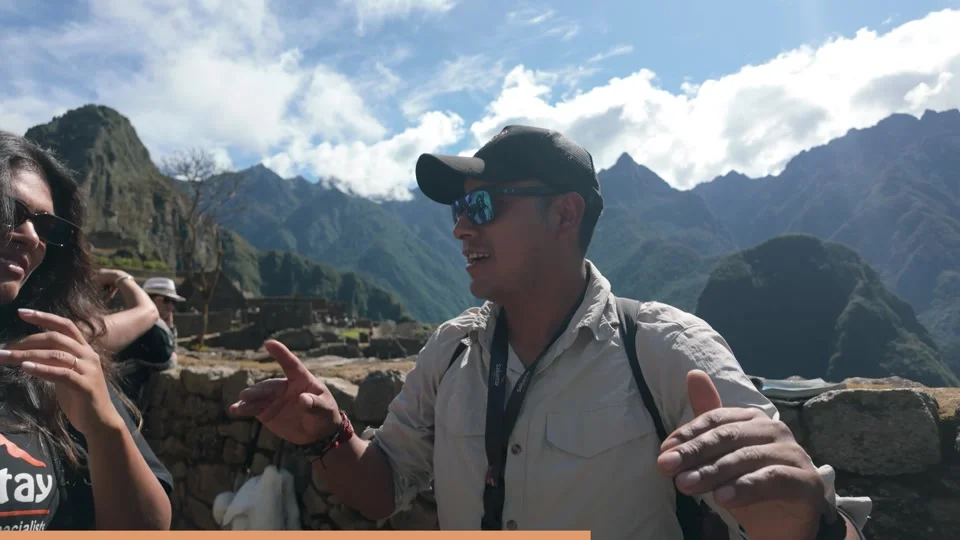
Worth having someone explain the why, not just the what.
10. Circuit two sold out? Here's the trick
Two options if circuit two is unavailable online. First, over a thousand tickets a day are held back for people queuing in person in Aguas Calientes for the next day, at the Ministry of Culture office. You queue early, get a number, and return later in the afternoon to actually buy. You'll need to plan a night in Aguas Calientes for this to work. The second, and what I'd actually do, is book a circuit one ticket and a circuit three ticket separately. Go up on 1C for the Sun Gate and panoramic views, exit, then re-enter on 3A to see the ruins from below and climb Huayna Picchu. In my opinion that's an even more complete day than circuit two on its own.
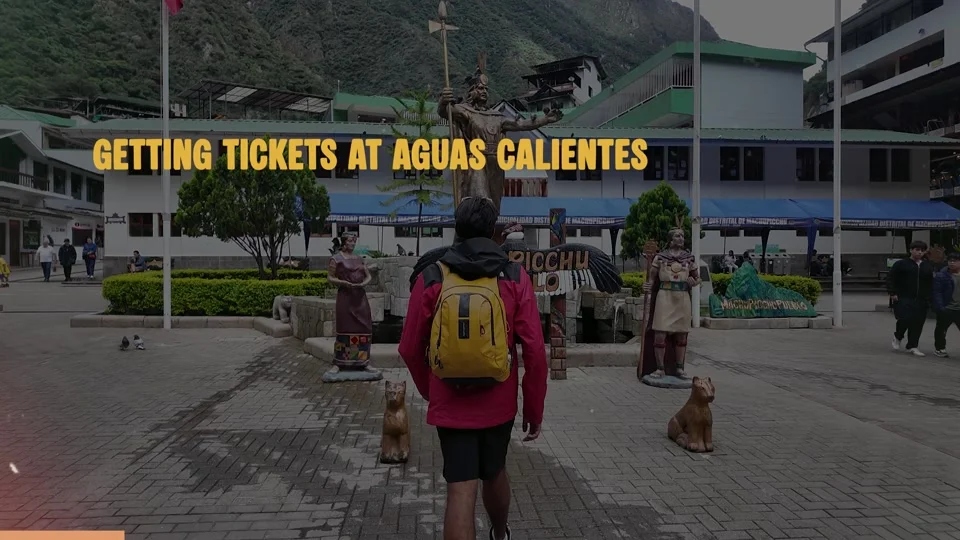
Queue early, get a number, come back in the afternoon.
If you found this useful, I've also written up the full Salkantay Trek if you're thinking about hiking in rather than taking the train.