 KIRAN GOES PLACES
Dry season
May-October (flat, mirrorless)
Wet season
January-March (mirror effect)
Altitude
~3,650m
Tour cost from Atacama
$150-210 (2-3 days, incl. transport/guide/meals/salt hotel)
1. Season matters more than anything else
Your whole experience depends on when you go. May to October is the dry season, flat, mirrorless, endless white plains with more settled, predictable weather. January to March is the rainy season, when you get the mirror effect everyone's chasing, sky reflected perfectly in a thin layer of water. Sometimes there's too much rain though, and parts of the flats become undrivable.
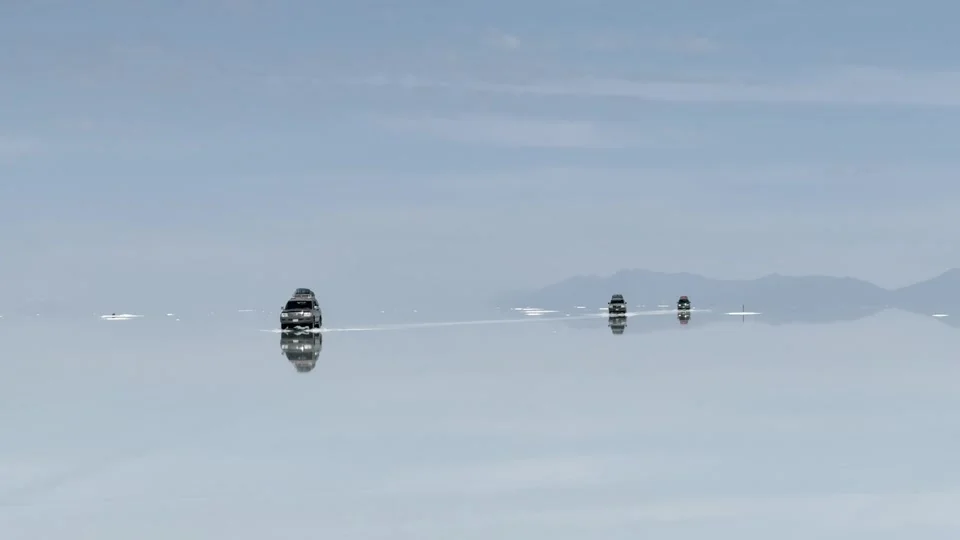
The rainy season gives you this. The dry season gives you something completely different.
2. The altitude can hit hard
The Salar de Uyuni sits around 3,650m above sea level. Even fit travellers can feel breathless, get headaches or tire easily up here. Spend a few nights acclimatising somewhere high beforehand, Uyuni town or Atacama both work, stay hydrated, and take it slow while exploring.
3. Getting there is part of the adventure
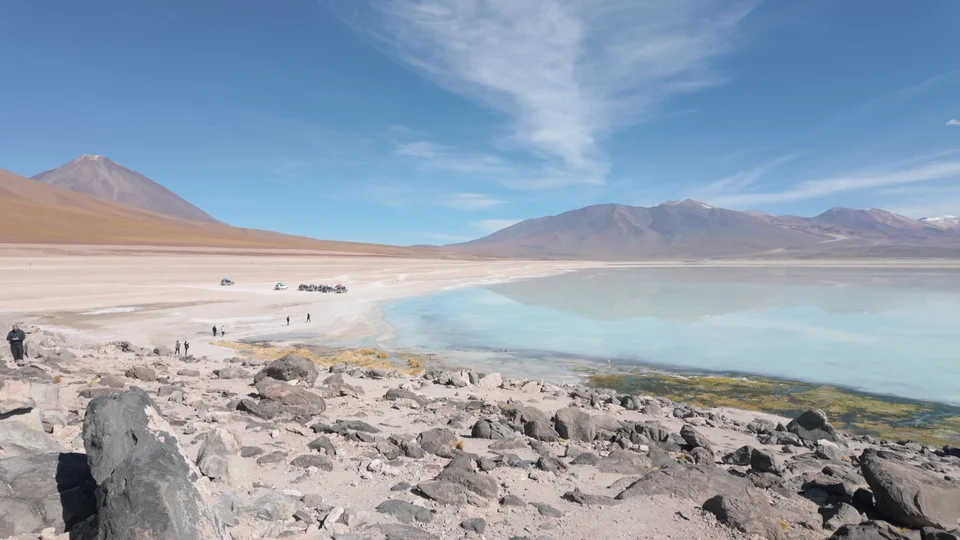
The flats aren't sat conveniently next to a town despite what the name suggests. Most travellers come in from Chile's Atacama Desert, and that journey alone runs through flamingo filled lagoons, geysers and high altitude plains. It's genuinely epic in its own right, and it gradually prepares you for how surreal the flats themselves are.
4. Sunrise or sunset, not the middle of the day
For mirror reflections and dramatic colour, aim for sunrise or sunset. Low light hits the flats with soft oranges, pinks and purples, and the water doubles all of it. Honestly some of the best sunrises and sunsets I've ever seen, and genuinely dreamlike for photography if you can time your trip around it.
5. Take a guided tour
Navigating the flats alone is genuinely risky, no landmarks, featureless terrain, barely any cell coverage, and it's very easy to get lost. Guided 4x4 tours keep you safe, take you to the best viewpoints, and add context on local culture and history. When booking, ask specifically whether you'll have an English speaking guide if that context matters to you.

No landmarks and barely any signal. Take the guided tour.
6. Photography and perspective tricks
The flats are a genuine photographer's playground. No landmarks and an endless horizon mean you can play with scale, make people look huge, make objects look tiny, build surreal illusions with basic props. Bring a tripod, spare batteries, and props if you want to play with perspective, guides usually know the best spots and angles for it, and it's worth asking your tour operator if they supply props or whether you need your own.
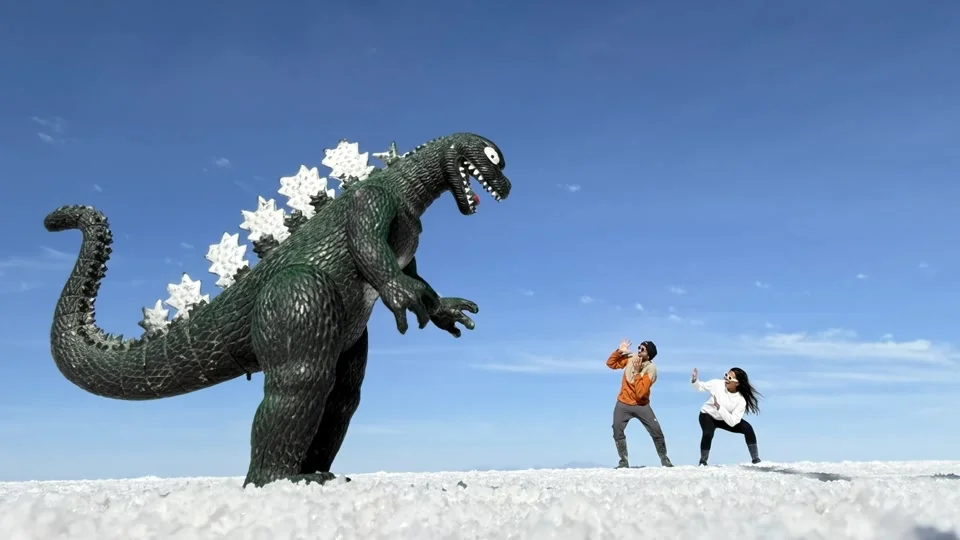
No landmarks and an endless horizon means endless tricks.
7. Stay in a salt hotel if you can
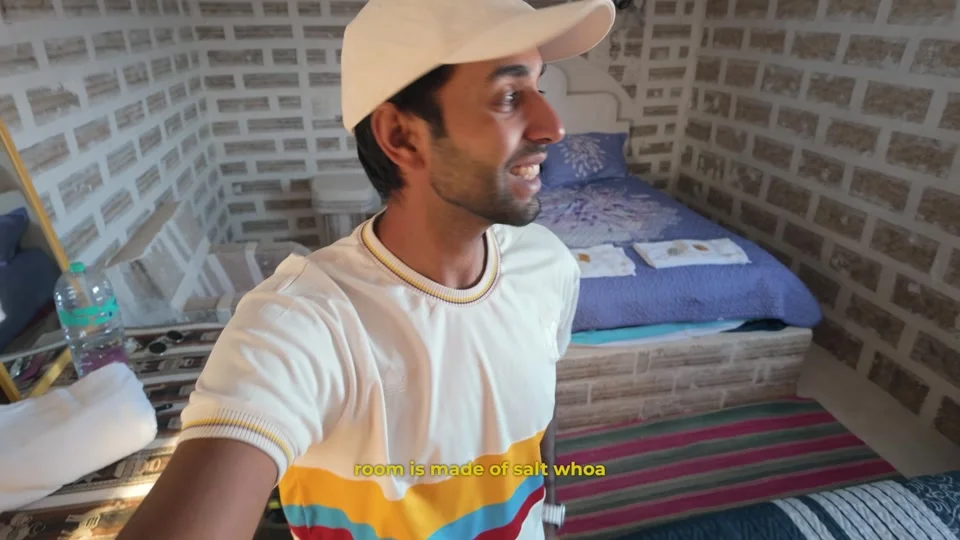
If you've got the option, take it. A hotel built entirely from salt, walls, beds, furniture, all of it, is a genuinely unforgettable experience. Don't expect luxury, heating and bedding tend to be basic and facilities rustic, but it's a once in a lifetime kind of strange. Given the choice between staying in Uyuni town or a salt hotel, take the salt hotel every time.
8. Respect local culture
The flats are still home to Aymara and Quechua communities. Ask permission before photographing people, support local artisans when buying souvenirs, and treat the land with the care its cultural significance deserves.
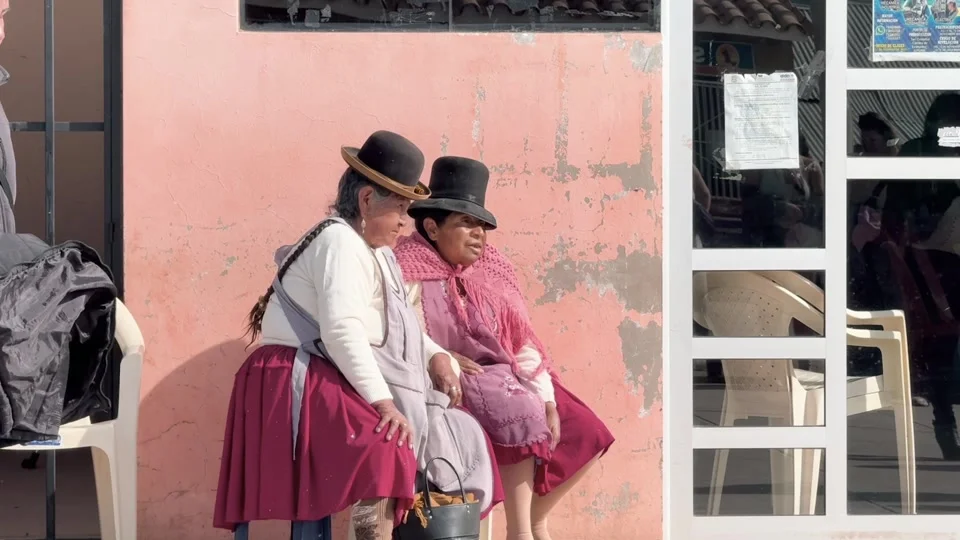
Ask before you photograph people, always.
9. Toilets are extremely limited
Outside of the small salt restaurant stops, there's often nothing, and what does exist may not have toilet paper. Bring your own tissue and hand sanitiser, and be mentally prepared to hold it for a while.
10. Waterproof footwear is non negotiable
In the wet season, water spreads across huge areas, and even a short walk from the jeep will soak your shoes and crust them in salt. Proper waterproof wellingtons are the only real answer, my waterproof boots weren't nearly enough. You could genuinely be walking through a foot of water at points.
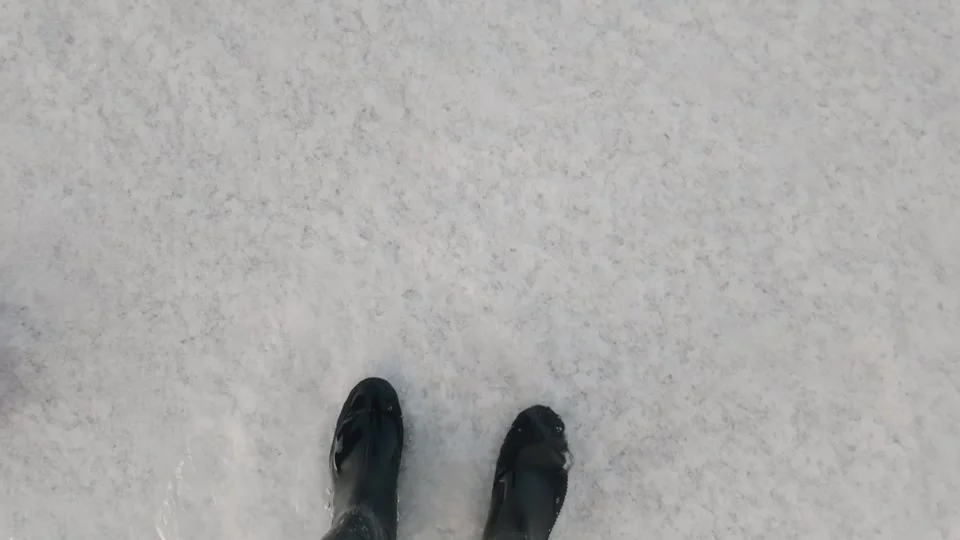
My waterproof boots were not waterproof enough.
11. Temperatures swing hard
Daytime can feel pleasantly warm, deceptively so, while nighttime and early sunrise trips get bitterly cold. Layering is essential, thermals, a warm jacket, gloves, hat, scarf, plus sunglasses and strong SPF since the white salt reflects sunlight and intensifies UV exposure significantly.
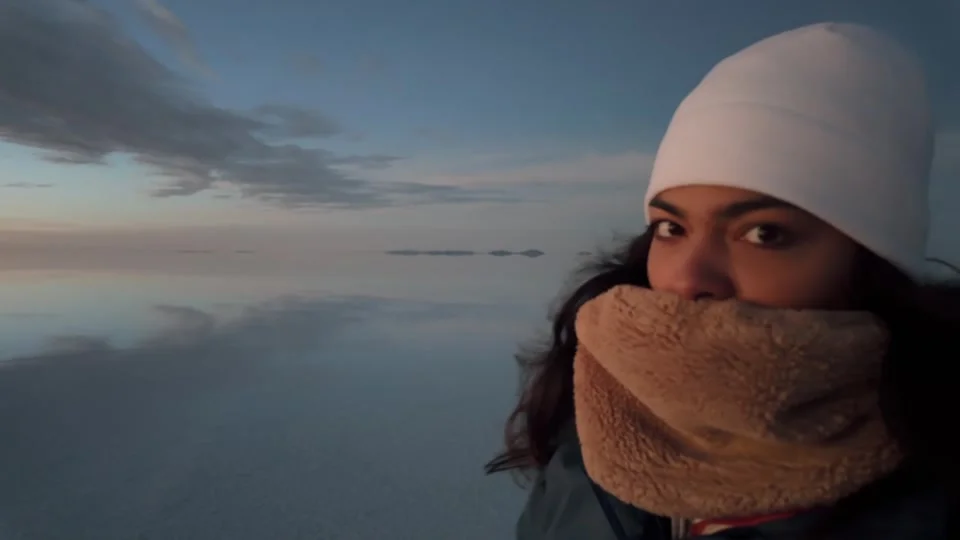
Deceptively warm by day, bitterly cold by night.
12. Pack properly
Warm clothes, waterproof wellingtons, sunglasses, sunscreen, water, snacks, spare batteries or a power bank, a small first aid kit, and props if you're planning perspective shots. A headtorch is worth packing too if you're doing an early morning trip. Get this right and you can focus on the experience instead of surviving it. If you've got a drone, this is a brilliant place to bring it.
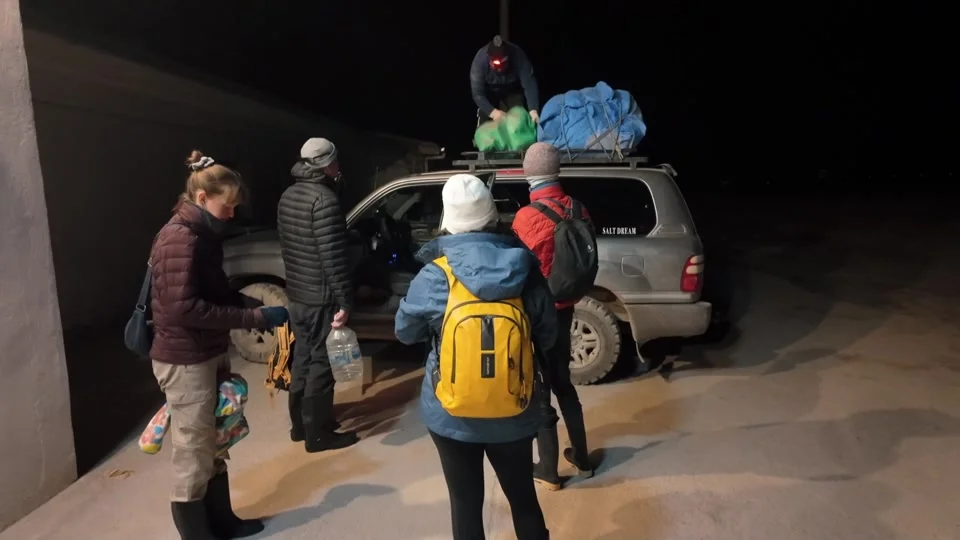
Get the kit right and you can focus on the experience.
13. It's genuinely affordable
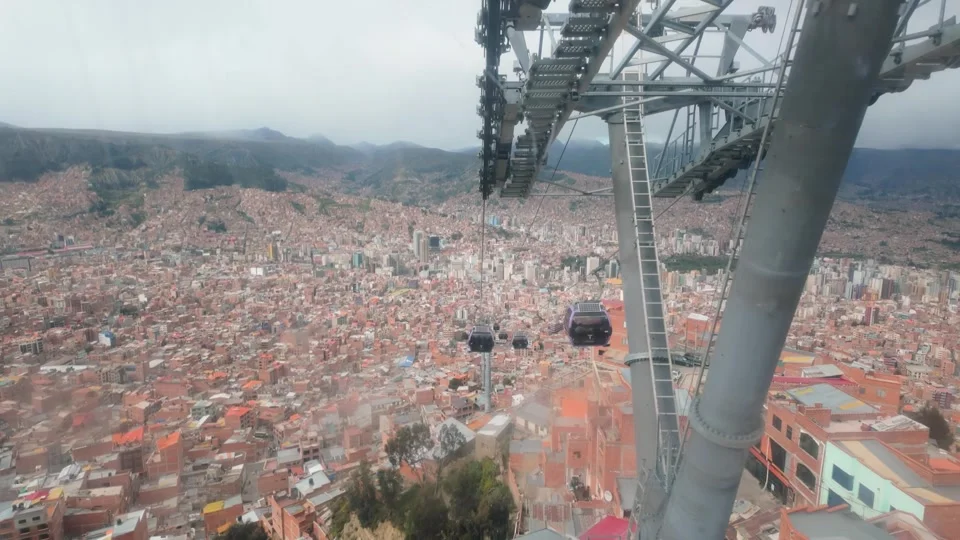
Most trips start from either La Paz in Bolivia or Atacama in Chile. From Atacama, two to three day tours typically run $150 to $210, covering jeep transport, guide, meals and even a night in a salt hotel. For a once in a lifetime experience, that's remarkable value compared to similar trips elsewhere in the world, and combining it into one longer trip through the region will save you money overall.
14. Look up at night
Staying at a salt hotel means you can walk out onto the flats after dark too, effectively getting to experience them twice if you're also doing a sunrise trip. Look up, and down, at night and you'll see stars reflected in the salt crust, an genuinely unbelievable view on a clear night.
15. Slow down and actually take it in
There's always a temptation to try and see everything, but the flats are worth more than ticking off a checklist. Walk slowly, watch the reflections shift, let the silence actually register, standing in the middle of that stillness is genuinely otherworldly. Respect the land, take your time, and let it sink in properly, because it's a memory that sticks with you.
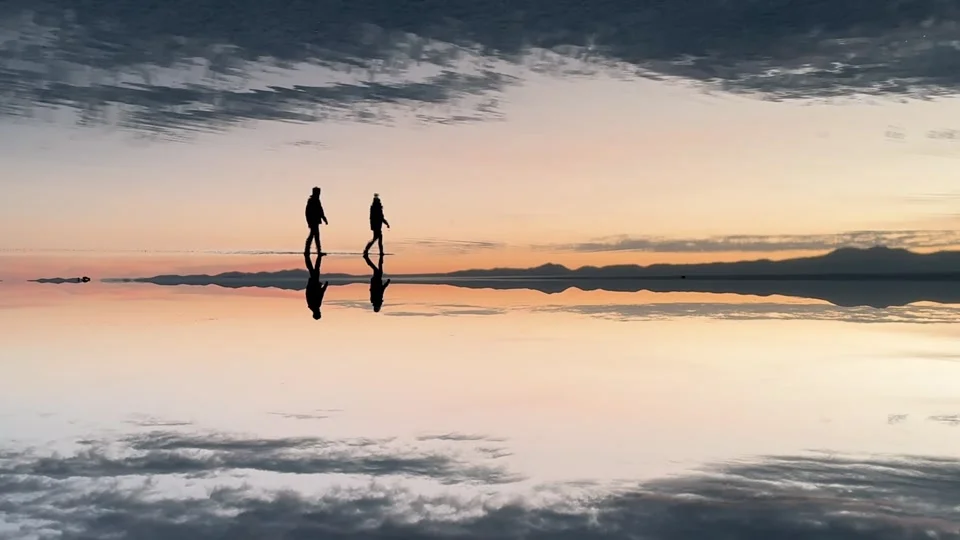
Walk slowly. Let the silence actually register.
The salt flats aren't just a destination, they're a journey through extremes, light and dark, heat and freezing cold, silence and vast scale. With the right prep, it's one of the best trips you'll ever do. I've also written up the strange, brilliant night we spent at the salt hotel itself if you want the full story.