 KIRAN GOES PLACES
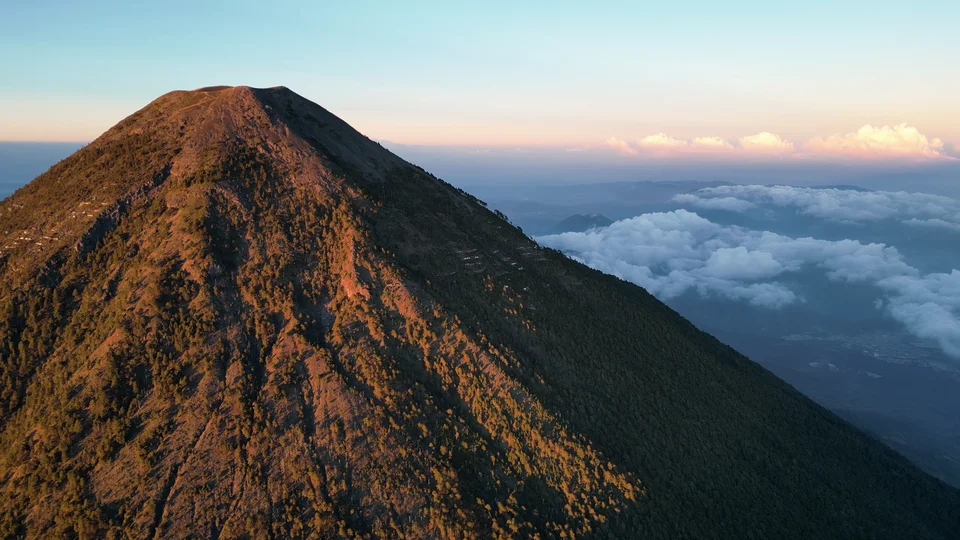
Acatenango summit
3,976m
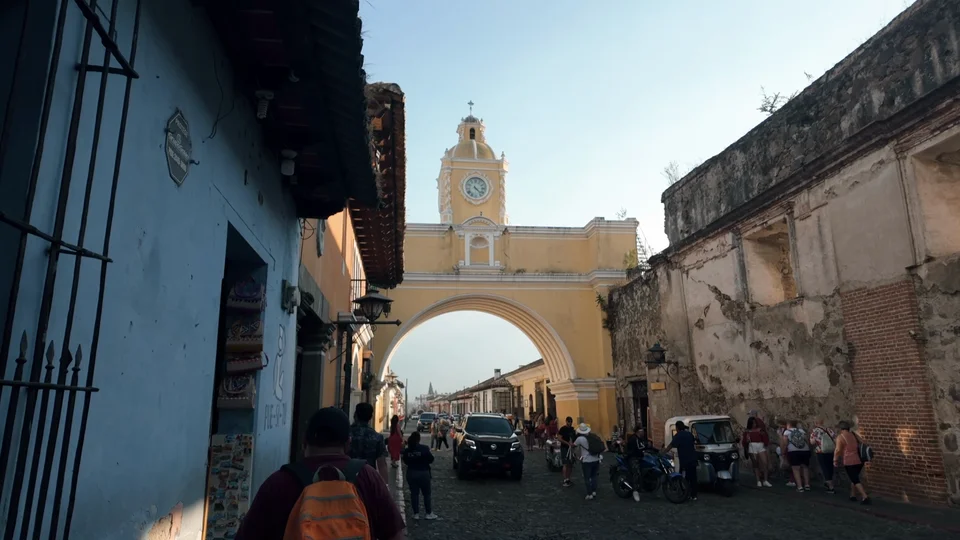
Antigua (acclimatisation stop)
~1,500m
Day 1 hike
4-7 hours
Day 2 summit push
1-2 hours up, 2-3 hours down
Total walking
~10-12 hours over 2 days
1. The altitude hits harder than you'd expect
The summit of Acatenango sits at 3,976 metres, high enough to genuinely give you altitude sickness even if you're fit. The air gets noticeably thinner and every step feels heavier than it should. Common symptoms are headache, nausea, dizziness, fatigue and breathlessness, and while it's not dangerous if it stays mild, it can wreck your hike if you're not prepared for it. Spending a night or two in Antigua first helps, it sits around 1,500 metres and gives your body some time to adjust. If you're worried, it's worth talking to a doctor about altitude medication like Diamox before you go. I am one, and even I'd say that's a conversation to have before the trailhead, not on it.
2. It gets properly freezing at night
Antigua feels warm and tropical, but base camp on Acatenango can drop below zero with a cutting wind once the sun goes down. A lot of tour companies provide gear, sleeping bags, tents and sometimes extra blankets, but always ask exactly what's included before you commit. Bring your own buff, gloves and a warm hat regardless, and hire a proper coat if you don't own one. The cold hits differently once you've been sweating all day. Go in dry season and you'll get colder nights but clearer skies, go in wet season and it's a bit warmer but you're risking rain and fog.
3. Pack light, because you're carrying all of it
Everything you bring goes up the mountain on your own back, so it's worth packing only what you'll actually use. You'll want to layer up and down constantly, the hike starts warm, has you sweating through the forest, then freezes once you hit camp. The essentials that actually matter are 3 to 4 litres of water, snacks like nuts, chocolate and something salty, a rain jacket, a headlamp, warm layers and spare socks. Every gram you leave behind is one you'll thank yourself for later.
4. It's really two separate climbs
Day one is the long slog from the trailhead to base camp, starting on farmland before moving into forest, and it usually takes 4 to 7 hours depending on fitness and how many breaks you take. Once you arrive you rest, eat, and watch Volcán Fuego erupting in the distance from camp. Some companies offer an optional night hike to Fuego's Ridge, a 3 hour round trip that gets you even closer to the eruptions, though ours was cancelled because of a recent bigger eruption. Day two is the summit push, waking around 3:30am to climb 1 to 2 hours on loose volcanic gravel for sunrise, followed by a long, knee-bursting 2 to 3 hour descent back to the start. All in, you're walking around 10 to 12 hours across the two days.
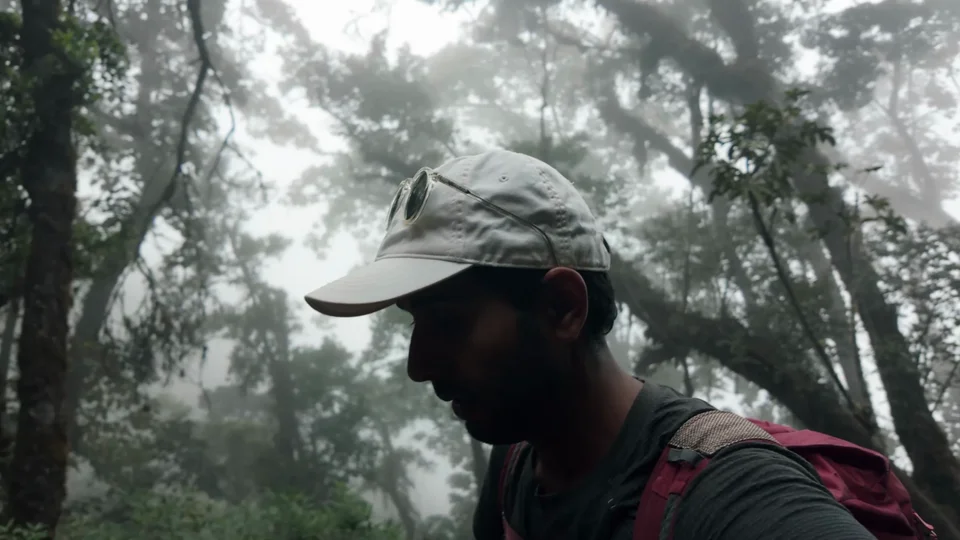
Day one starts in farmland before climbing into misty cloud forest.
5. The trails completely change as you climb
The landscape transforms the whole way up, dirt paths and farmland at the bottom, then misty cloud forest thick with roots, then pine forest, then volcanic sand and sharp lava rock near the top. That last stretch feels like hiking on marbles, every step sliding you back half a step. Good hiking boots matter here, proper grip, ankle support and sturdy soles. I've got weak Indian ankles that would have been destroyed by that volcanic scree without them, and I'm not even a pole person, but poles or walking sticks genuinely help a lot of people on this one.
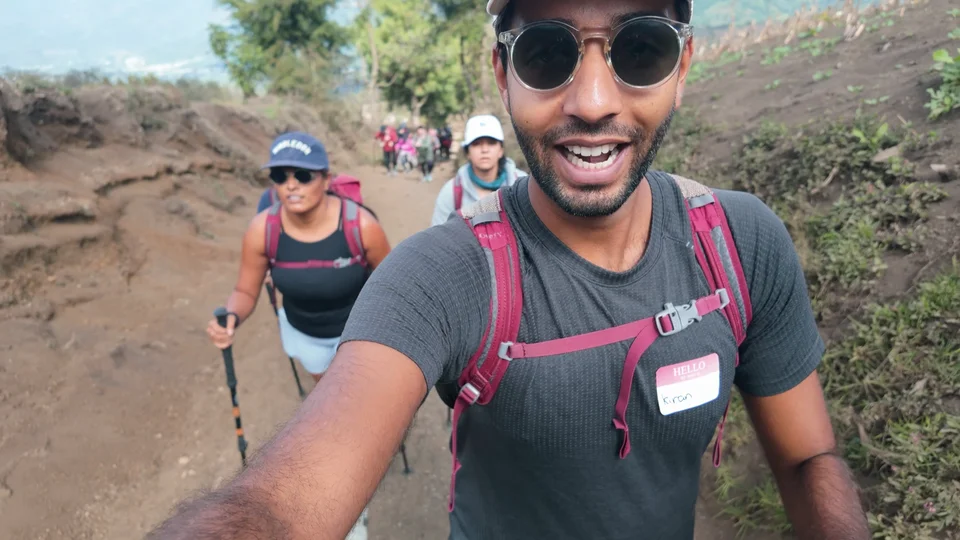
The upper slopes turn to loose volcanic sand, this is where poles earn their keep.
6. Bring a proper headlamp
The sunrise climb on day two happens entirely in the dark. You set off around 3:30 or 4am on a trail that's steep, dusty and uneven, and a strong headlamp means your hands stay free to balance or grab rocks. It makes the whole thing safer and honestly more fun. And when the light finally hits the clouds at the top, you'll understand why people call it one of the most beautiful sunrises in Central America.
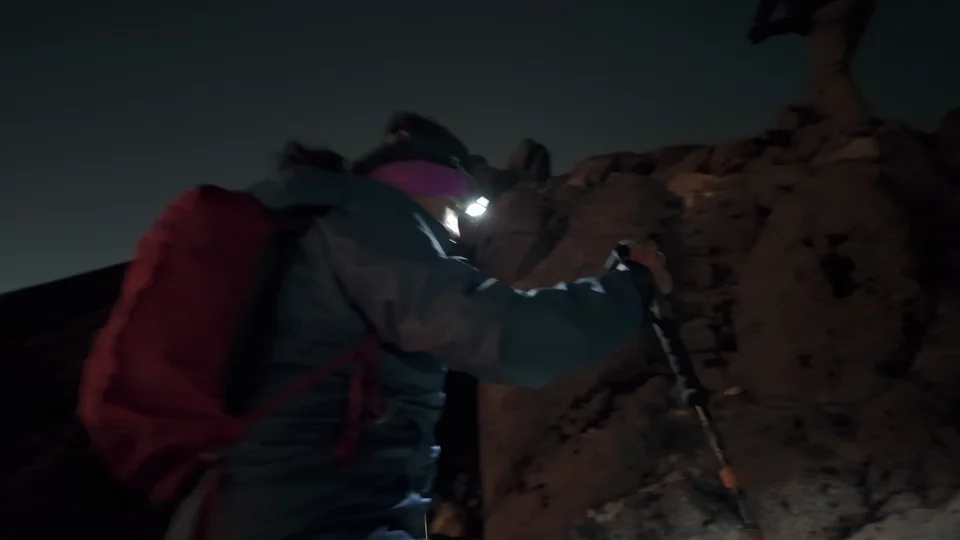
The final push to the summit happens entirely in the dark.
7. Expect nothing, because you can't script nature
You might get clear skies and watch Fuego erupting every few minutes, or you might get cloud, rain and a total white out. Sometimes the wind's too strong for the summit, sometimes the lava show never comes. Going in with zero expectations is the trick, because even without an eruption, the views, the climb and the feeling of standing above the clouds are worth it on their own. And when you do catch the lava lighting up the night, it feels like pure luck.
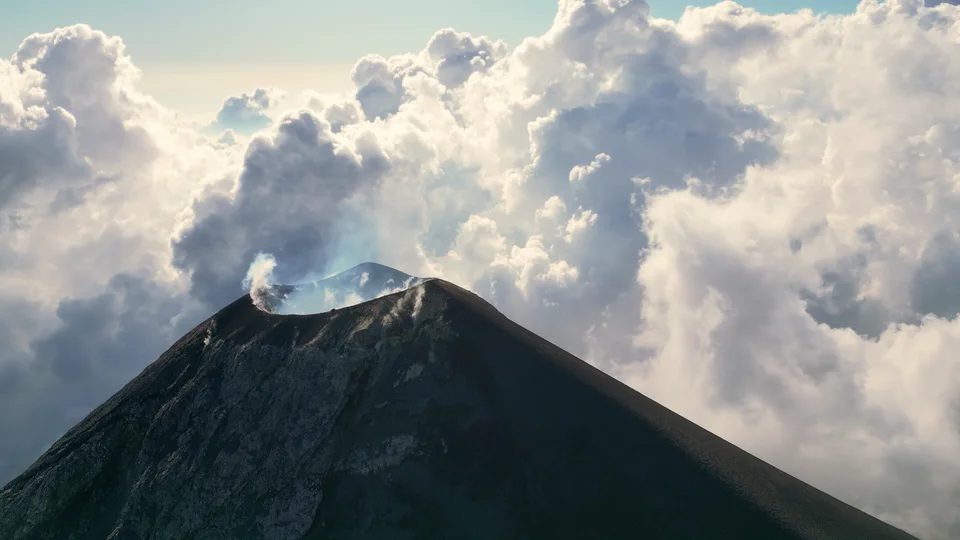
Fuego smoking through the clouds. Some groups get an eruption show, some don't.
8. You don't actually have to carry your own bag
Here's the shocker nobody tells you, some companies, not all, offer porters, horses or even cars to take your main pack up to base camp, meaning you only carry a small day bag with water and essentials. If the idea of hauling 10 to 15 kilos up a mountain sounds miserable, it's money well spent. When you're booking, ask what's actually included, transport, food, gear and porter options, because it varies a lot between companies.
9. Every tour camps on the same mountain, but the experience isn't the same
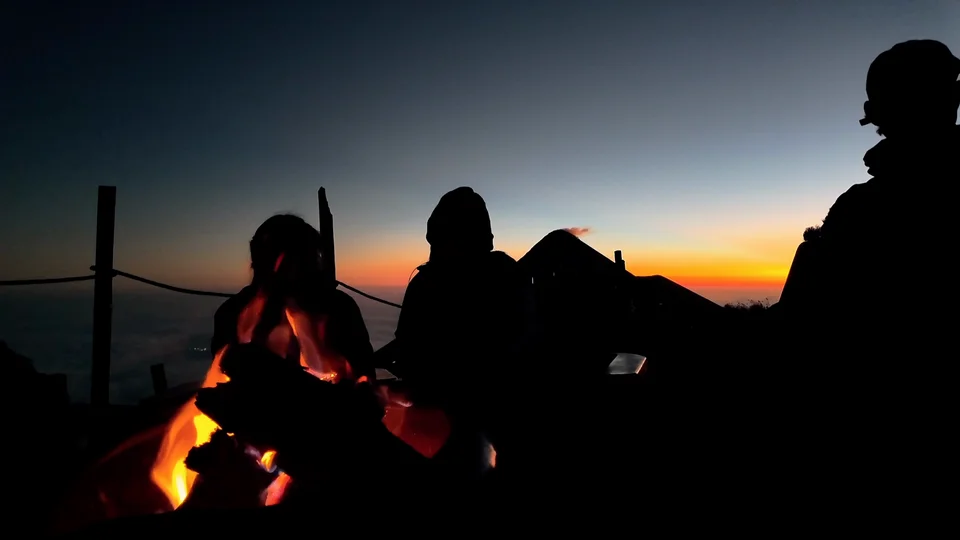
Every group ends up camping on Acatenango's slopes looking across at Fuego in more or less the same spot, but the quality of the setup varies hugely. Some sleep in small tents, others in wooden huts with proper insulation, and food ranges from basic noodles to full hot meals. I went with Wicho & Charlie's, who run a tight operation with warm cabins, proper sleeping bags and surprisingly good food for a mountain, plus hot chocolate and marshmallows by the campfire while Fuego erupted in the background. When you're choosing a company, ask what you'll eat, what the sleeping setup is, and whether there's an actual toilet or just the forest. It's these details that make a long, cold night far more bearable.
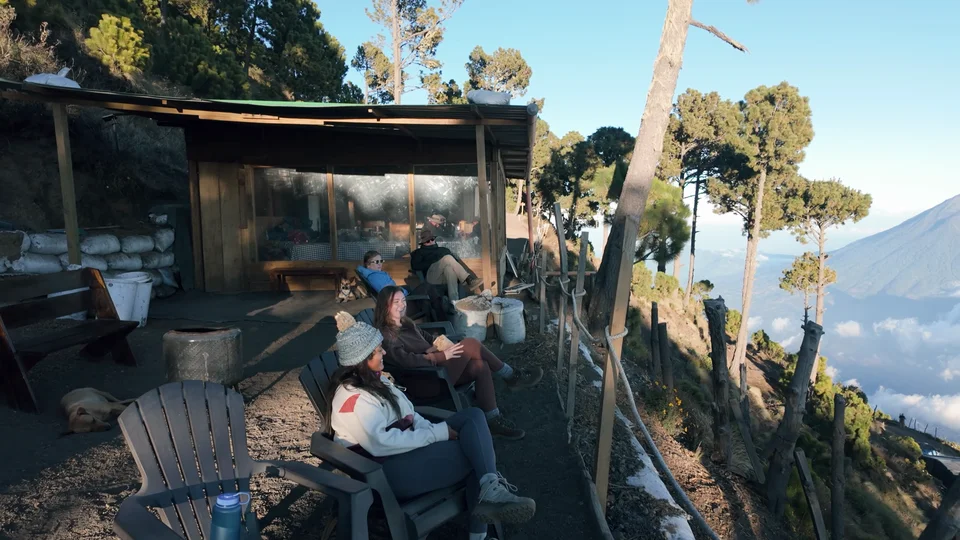
Base camp comes in very different flavours depending on which company you book with.
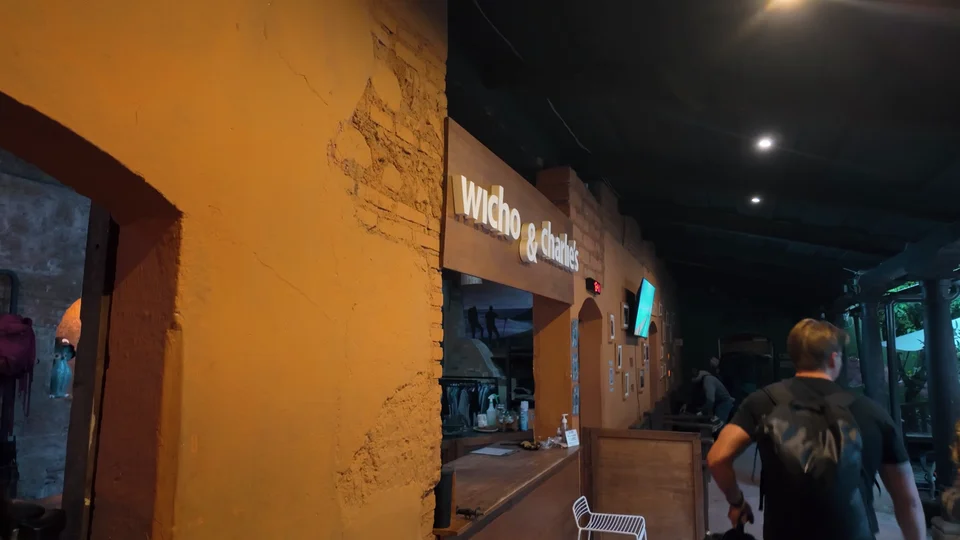
Wicho & Charlie's, who I'd book with again without hesitation.
10. It's one of the most incredible things I've ever seen
Nothing really prepares you for standing there in the dark, above the clouds, watching a live volcano erupt in front of you. You can feel the rumble through the ground and hear the explosions echo across the valley as lava shoots into the sky. Then the sunrise the next morning, light hitting Fuego and the Pacific coast in the distance, makes you forget the cold, the burn in your legs and the lack of sleep entirely. It's one of those rare travel moments that genuinely sticks with you.
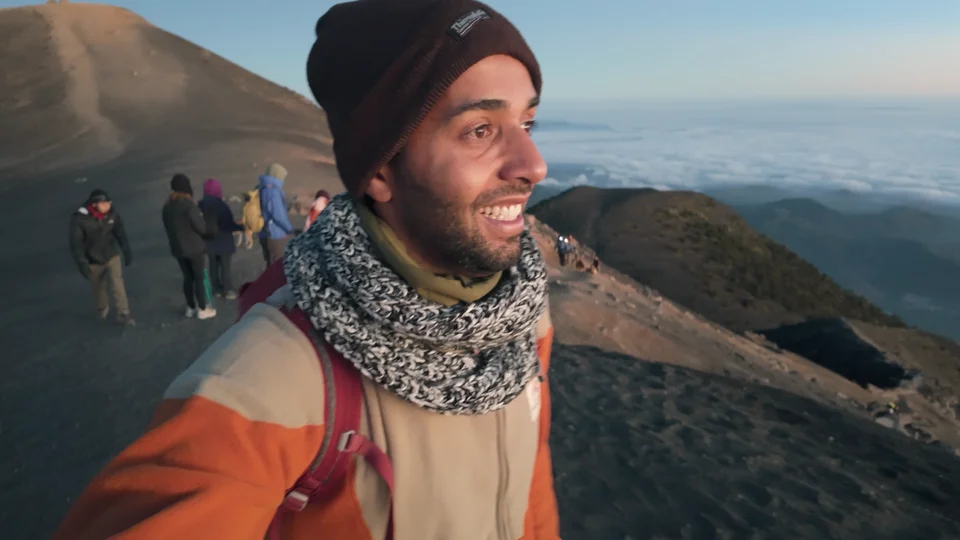
Above the clouds at sunrise. Cold, exhausted, and completely worth it.
If you're on the fence about Acatenango, do it, just go in prepared. Sort your altitude acclimatisation, pack light but pack right, pick a tour company based on the details that actually matter, and expect nothing so that whatever you get feels like a bonus. Two of the hardest days I've had on this trip, and easily one of the best.